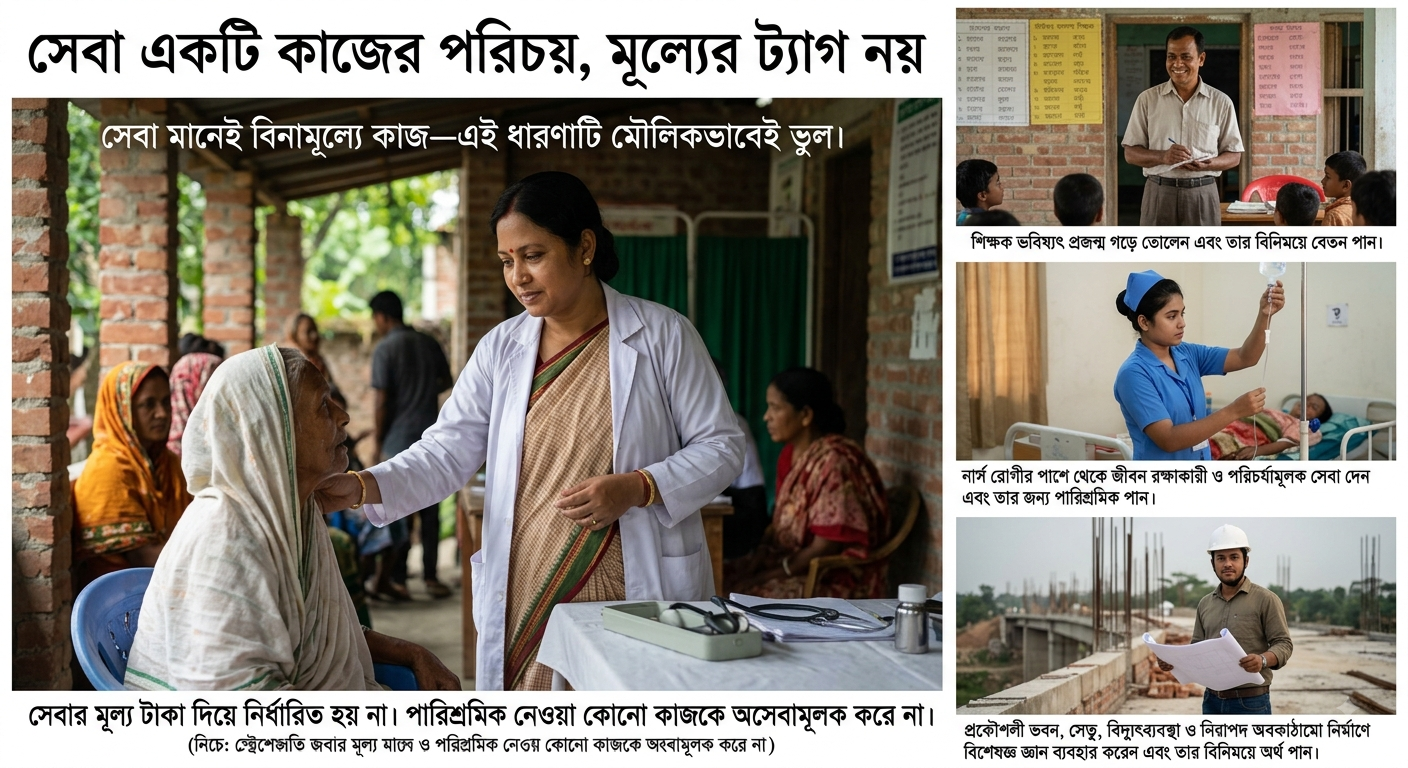
In every healthcare system, patient care is rarely delivered by one person alone. It is the result of coordinated work by many skilled professionals. Among them, Allied Health Professionals play a critical role. Yet in Bangladesh, the term “allied health” is often misunderstood—sometimes seen as secondary, sometimes viewed as unclear, and sometimes used incorrectly. This article explains what allied health truly means, why the term exists, and where these professions stand legally and practically in Bangladesh.
What Does “Allied Health Profession” Mean?
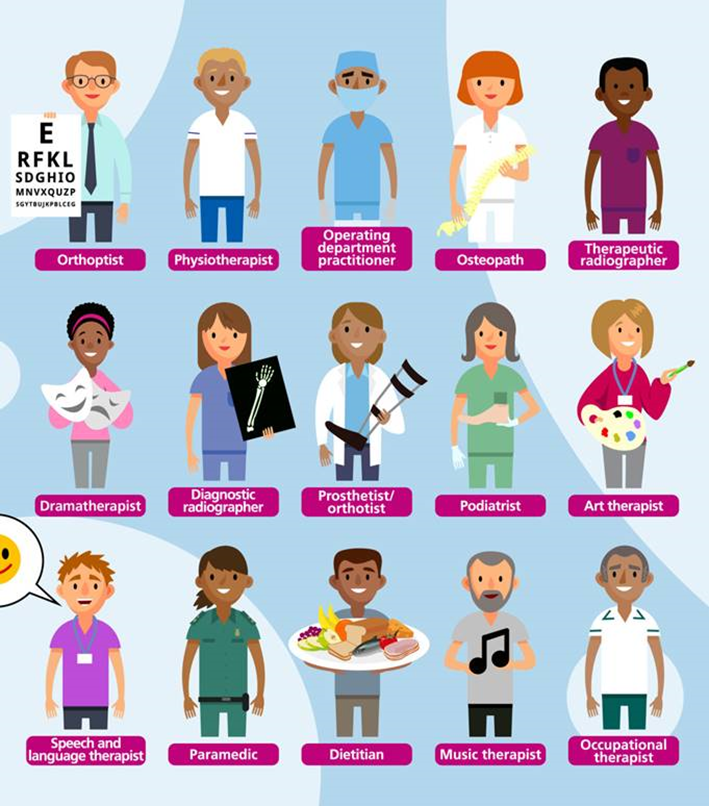
Globally, allied health professions include a wide range of well-trained healthcare providers who support diagnosis, therapy, rehabilitation, and health services. These include:
- Physiotherapists
- Occupational therapists
- Speech and language therapists
- Prosthetists and orthotists
- Clinical psychologists
- Dietitians and nutritionists
- Radiographers
- Laboratory technologists
- Emergency medical technicians
- Audiologists
- Rehabilitation counselors
- Respiratory therapists
These professionals contribute directly to patient care through assessment, therapy, functional training, diagnostics, counseling, and rehabilitation.
Why Are They Called “Allied”?
The word “allied” simply means working together or in partnership. The term was adopted internationally long before it reached Bangladesh.
It does not mean:
- Lower
- Secondary
- Less professional
- Less important
It means that these professions work in alliance with physicians, dentists, and nurses. Their roles are different—not inferior. Each profession has its own expertise, body of knowledge, scope of practice, and professional identity.
Healthcare today is a team-based system, and allied health is a recognized pillar of that team.
The Bangladesh Context: How Allied Health Is Defined in Law
In Bangladesh, the professions mentioned above fall under the category of “Allied Health and Rehabilitation Professions.” Their legal and regulatory framework is defined primarily by:
The Bangladesh Rehabilitation Council (BRC) Act (2018, amended 2025)
This Act officially recognizes and regulates:
- Allied health professionals
- Rehabilitation professionals
- Their education and training
- Registration and licensing
- Ethical practice standards
- Scope of practice
- Accreditation of institutions
Under the Act, these professionals are considered health professionals with defined roles and responsibilities.
Separate Regulatory Bodies
Bangladesh regulates healthcare professions through different councils:
- BMDC — Physicians and dentists
- BNMC — Nurses and midwives
- BRC — Allied health and rehabilitation professionals
This separation does not create hierarchy; it reflects the distinct academic and professional nature of each group.
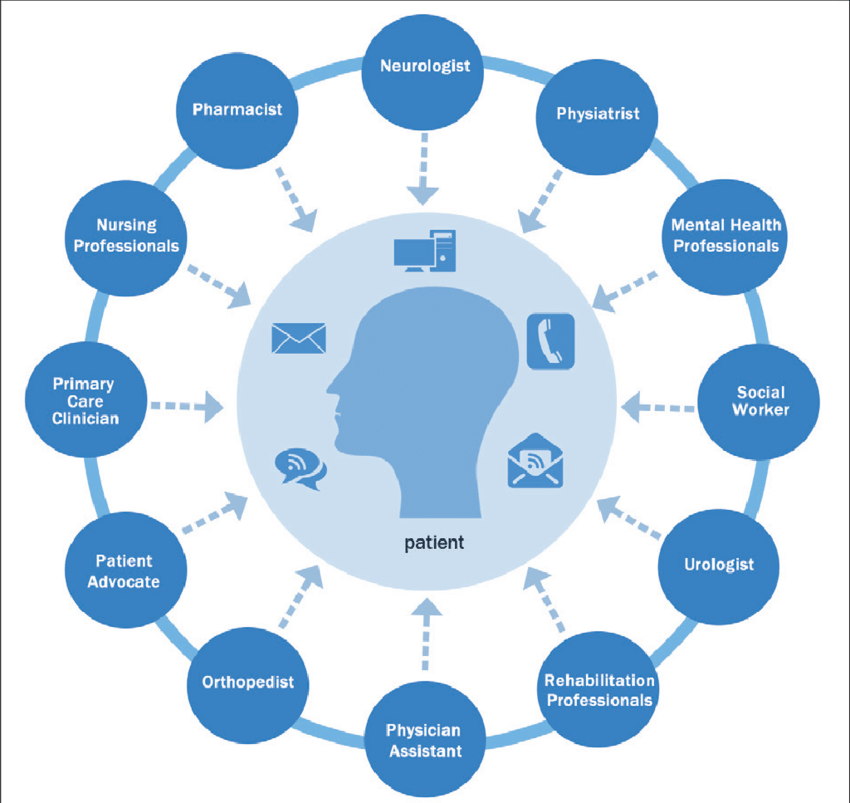
Lack of communication among the MDT members
Why Misunderstandings Exist in Bangladesh
Despite clear legal recognition, the term “allied health” is often misunderstood for several reasons:
1. Traditional Hierarchy in Healthcare
For decades, the focus of the healthcare system in Bangladesh was exclusively on MBBS doctors, creating a public perception that others are “assistants” rather than professionals in their own fields.
2. Limited Public Awareness
Physiotherapy, occupational therapy, speech therapy, and other specialized roles are still relatively new in the country. Many people simply do not know their full scope.
3. Misuse of Professional Titles
Occasional use of “Dr.” by non-medical professionals has caused disputes with BMDC, creating confusion among the public about who does what.
4. Regulatory Gaps (Before the BRC Act)
Before 2018, these professions lacked a strong regulatory body, which made their role less visible.
5. Lack of Interprofessional Education
Medical, nursing, and allied students rarely learn together in Bangladesh, which limits mutual understanding of each profession’s value.
Does Being “Allied” Mean They Are Deprived or Inferior?
Legally: No.
The Government of Bangladesh recognizes allied health professionals as full members of the health workforce.
Professionally: No.
They have independent expertise in rehabilitation, diagnostics, therapy, nutrition, communication disorders, and more.
Socially and Administratively: Sometimes, Yes.
In practice, some professions may experience:
- Lower public awareness
- Limited representation in government positions
- Salary discrepancies
- Misunderstanding about their scope
- Lack of leadership positions in major hospitals
These are national healthcare system issues—not a reflection of their value or professionalism.
What Defines Their Scope of Practice?
Their scope is defined by law, not by the label “allied.”
For example:
- Physiotherapists can assess, diagnose physical problems, and provide therapy—
but cannot prescribe medication or perform surgery. - Speech therapists can diagnose communication disorders and offer therapy—
but cannot prescribe medicine. - Medical technologists can conduct diagnostic tests—
but cannot interpret results as physicians.
Each profession has its own scientific foundation, international standards, and ethical responsibilities.
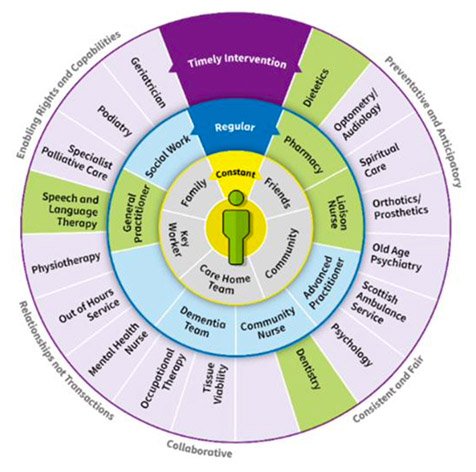
The Real Picture: Working Together for Better Health
Bangladesh’s healthcare system is strongest when all professions work together, each contributing their unique strengths.
- Doctors diagnose diseases and prescribe treatment.
- Nurses provide continuous care and monitoring.
- Allied health professionals restore function, improve mobility, support rehabilitation, perform diagnostics, and promote long-term health.
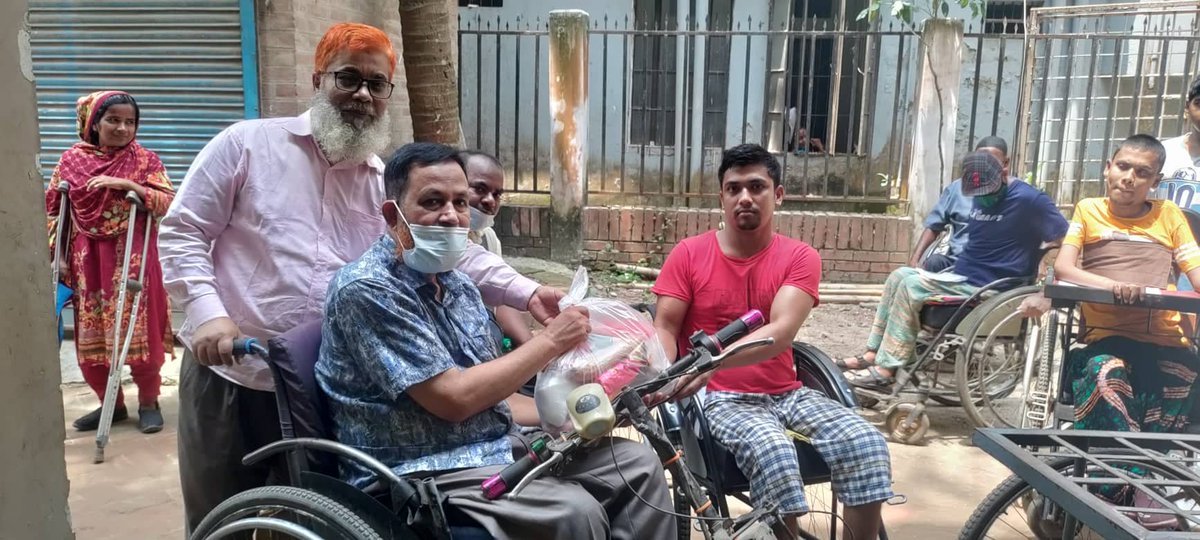
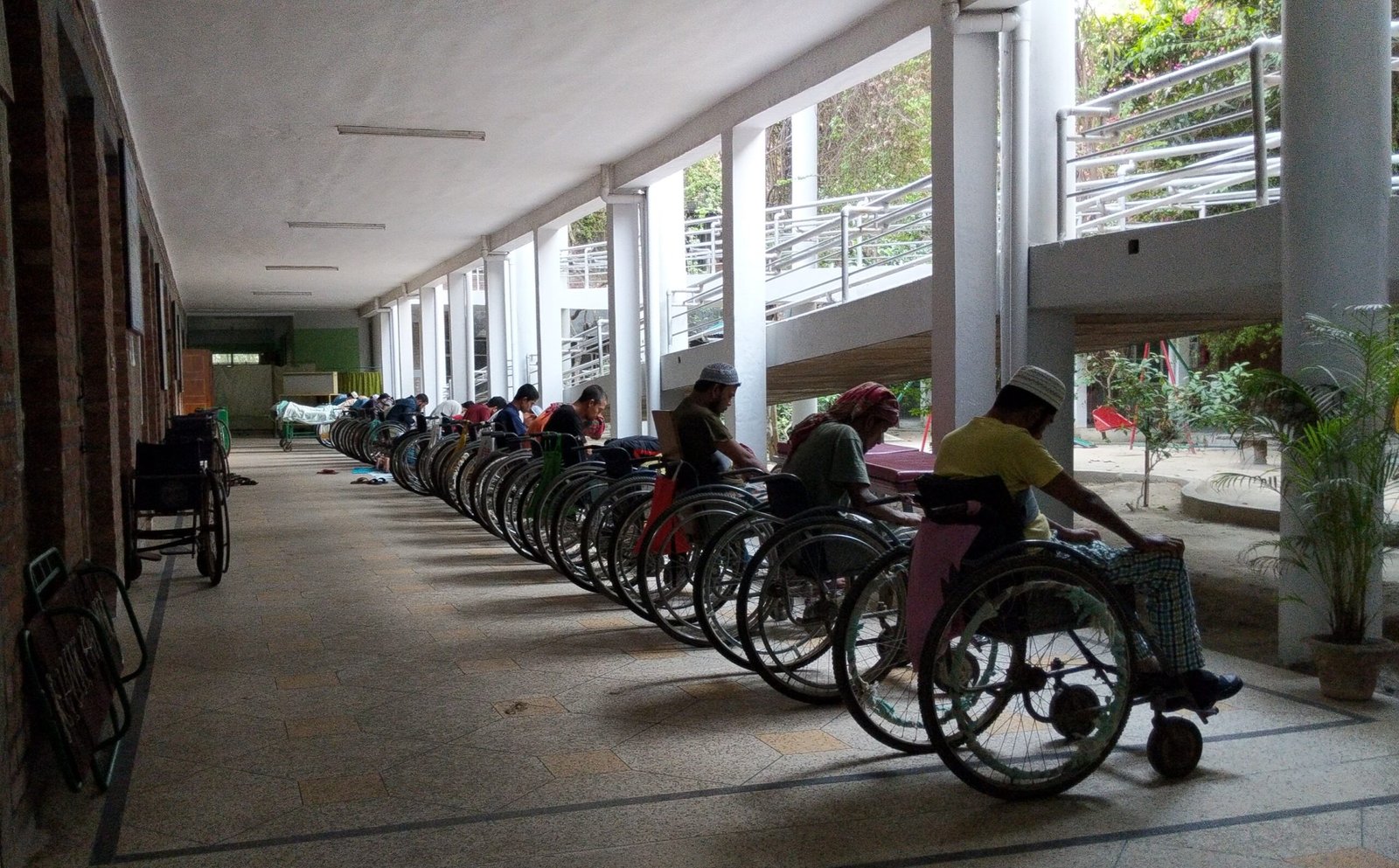
No single profession can manage complex conditions—such as stroke, spinal cord injury, trauma, cerebral palsy, or chronic diseases—alone. Recovery requires teamwork.
Conclusion
Allied health professions are an essential part of Bangladesh’s healthcare system. The term “allied” is not a marker of hierarchy—it is a recognition of collaboration, interdependence, and team-based care.
Understanding their real role helps build a healthcare system where every professional is respected, every scope is clear, and every patient receives comprehensive care.